
Not every system is built for how teams operate today.
Some tools are reliable and deeply embedded in the business, especially on the financial side. They track projects, costs, and profitability well. But they’re not always easy to navigate or connect with other platforms. And yet, they remain essential.
So teams adapt. They work within the system, even if it means a few extra steps along the way.
Sound familiar?
On a recent project, the financial system was doing exactly what it was designed to do. It managed job financials, project costs, and cash flow effectively. But accessing that information wasn’t always straightforward. The interface felt dated, the API was minimal, and even basic data transfers required sending zipped XML files one project at a time. Not ideal, but a reality many teams are still working with today.
A Different Approach
Instead of asking more people to work inside the financial system, the goal was simple: Have fewer people in it, and more people working in Salesforce.
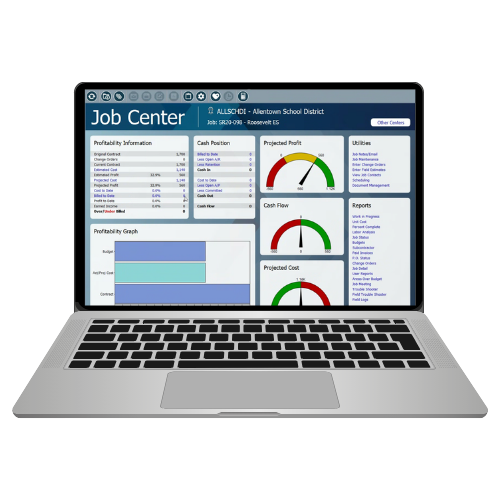
That meant bringing key information into Salesforce, where teams already spend their time.
What Data Was Brought In
The focus was on a specific set of financial and job data:
- Job to date values
- Estimated and projected costs
- Cash in and key financial totals
- Job totals and updates are pulled in on a daily schedule
We’re not pulling everything over. That would be too much, and honestly, unnecessary.
At the same time, updates don’t stop in Salesforce. Job updates and change orders are sent back into the financial system using its required format. Which means data is still packaged as zipped XML files and sent one project at a time.
Where MuleSoft Fits In
MuleSoft supports the integration behind the scenes, helping bridge the gap between Salesforce and ComputerEase, a system with a very limited API.
Because of those constraints, the integration isn’t a simple data exchange. It requires working within specific rules, including sending data as zipped XML files, one project at a time. 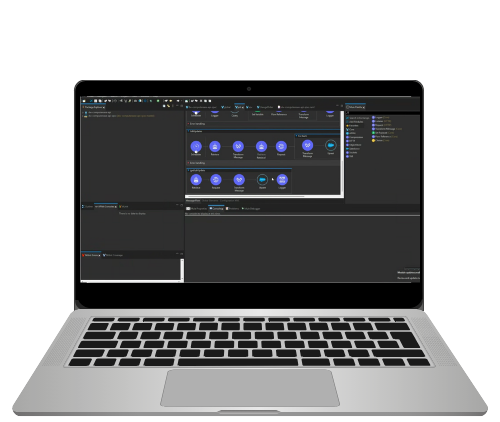
MuleSoft handles that complexity by:
- Structuring data in the exact format required by the financial system
- Managing the file-based transfers for job updates and change orders
- Orchestrating daily scheduled pulls for job totals and updates
- Keeping data moving between systems without manual intervention
It’s a practical use of MuleSoft. Not to overhaul the system, but to make it easier to work with. ComputerEase continues to operate as it always has, while Salesforce becomes a more accessible place for teams to view and act on key information.
Why This Works
There’s always a temptation to bring everything into Salesforce. Every field, every report.
But that’s not what teams actually need.
What helps is focus:
- The financial numbers people actually reference
- Consistent updates without manual effort
- Less time spent navigating multiple systems
With this setup, project teams can see what’s happening without digging through another tool. Sales has visibility into active jobs. Operations stay aligned more easily.
And more importantly, fewer people need to log into the financial system at all.
Moving Forward Without Replacing Everything
Not every system needs to be replaced to improve how your business operates. In many cases, it’s about creating a better experience around what you already have.
Keep the financial platform in place for accounting. Use Salesforce for day-to-day visibility and coordination. Connect the two in a way that supports both.
Less back and forth. Fewer workarounds. More time focused on the work that actually moves projects forward.