Homebuilding sales isn’t a quick transaction. It’s a long series of steps that has to stay organized from the first inquiry to a signed contract. And in many homebuilder teams, that process still lives across too many places.
Leads come in from the website, listing sites, walk-ins, and referrals. Tours get scheduled. Buyers compare communities, lots, and models. Then they start picking finishes and options. Once construction begins, change orders show up. All of that is normal.
What’s not normal is how often this process is held together with spreadsheets, email threads, and tools that don’t connect well. It works until it doesn’t. And when it breaks down, the cost shows up as missed follow-up, unclear ownership, and leadership trying to run the business without a clear picture of what’s actually happening.
The Reality of Homebuilder Sales
Two patterns show up again and again.
In one case, contracts and change orders are difficult to manage in the current system. Approvals aren’t formal. Important decisions live in email. Over time, it becomes harder to track what was approved, when it changed, and how those changes affect pricing and delivery.
In another case, leads are scattered. Follow-up isn’t consistent. Sales reps work deals in their own way, with little visibility for leadership. Then a deal closes, and it looks like it came out of nowhere. Not because nothing happened, but because the journey wasn’t captured in one place.
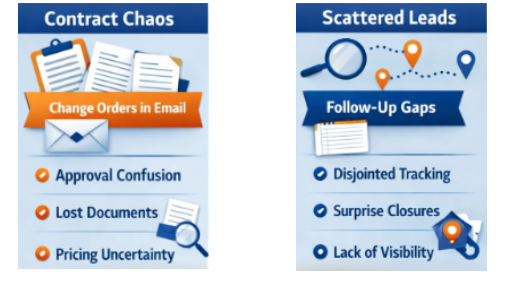
In both scenarios, the issue isn’t effort. It’s visibility.
What Homebuilders Need From a CRM
A CRM for homebuilders has to do a few things well at the same time.
First, it has to support how buyers behave. Buyers don’t always know which lot they want on day one. They change their minds. They involve realtors. They adjust budgets and timelines. A system has to handle those shifts without creating confusion or extra work.
Second, it has to support leadership. If you can’t see what’s happening between lead and contract, you can’t manage the process. Many teams struggle to answer basic questions like:
- How many leads came in?
- How many appointments were booked?
- How many tours were completed?
- How many leads turned into opportunities?
- How many opportunities became signed contracts?
These aren’t edge cases. They’re core to running a sales organization.
Third, it has to support partner relationships. Homebuilders work closely with real estate agents and agencies. Some partners consistently bring in strong buyers. Others don’t. Without a way to track those relationships, it’s hard to know where to focus time and effort.
Where Salesforce Helps
Salesforce works well when a process needs to be consistent and visible.
Instead of follow-ups living in individual inboxes, it becomes part of the record. Instead of leadership asking for updates and getting partial answers, they can see what’s in progress. Instead of the story of a deal being spread across calls, emails, and notes, it’s tied together.
Salesforce also aligns well with how homebuilders structure their business. Developments contain communities. Communities contain lots. Lots have models. Buyers move through a fairly repeatable path, even if the details change. That structure makes it easier to capture activity and keep everyone aligned.
Change Orders and Contracts Are Where Things Get Complicated
Change orders are often where sales processes start to break down.
Options, finishes, add-ons, and timing changes add up quickly. In many organizations, those requests are handled through email or phone calls, with no consistent approval flow. That creates risk. Someone thinks something was approved. Someone else thinks it wasn’t. Pricing changes. Construction continues.
Salesforce helps by giving teams a central place to track requests, approvals, and how changes affect the deal. Even when some contract details live in other systems, having visibility in Salesforce helps teams stay aligned and avoid mistakes.
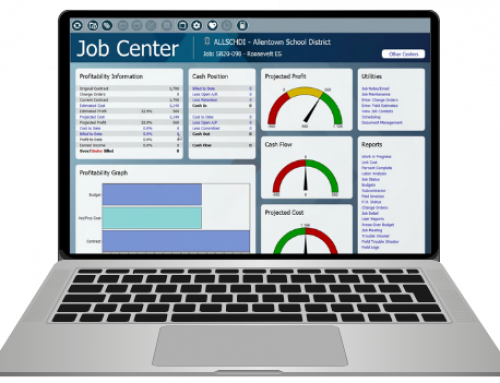
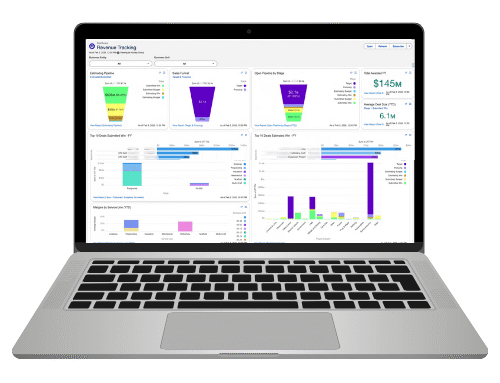
The Dashboard
This is where Salesforce becomes easier to picture.
Instead of showing up to weekly sales meetings with scattered updates, leadership can look at what’s scheduled and ask specific questions.
For example, if a rep has nine tours booked for the week, the next question is simple. Have they been confirmed?
That question matters. Confirming tours ahead of time reduces no-shows. Fewer no-shows mean more completed tours. More completed tours mean more deals moving forward.

A Better Way to Look at the Sales Process
Most homebuilders already have a sales process. It’s just spread across too many tools.
Salesforce doesn’t replace the way teams sell homes. It gives the process a place to live so it’s easier to manage, review, and improve.
Every homebuilder’s process is different. If you want to talk through yours and see where Salesforce fits, let’s get in touch.