
Highlights from our latest Specification Success webinar
Specifications matter; you know that if you’re not in the spec, you’re not going on the building. Specified selling is a lot of elbow grease that will lead you to eventual success. But do you really want to wait 2 years for a new spec to turn into revenue? Thought not – in that case, you have to seek to break into your competitors’ specifications. In this session, we show you the day-to-day how-to.
Watch the Full Webinar

Series 6: Low or Zero Specs Market Share? How to Get Revenue NOW.
1. Start With Your Specifications Market Share
To change your standing in the market, you first need to know where you currently sit. Most building products companies already license Dodge or ConstructConnect, so the numbers are within reach.
Aaron encouraged attendees to calculate their specifications market share, the percentage of active projects in which their brand appears. It often reveals surprising gaps between how often a product is discussed internally versus how often it is actually specified.
A few reminders he shared:
- Specifications almost always list several brands.
- Being the sole name in the spec does occasionally happen, but it’s uncommon.
- A flat spec with no alternates is the rare exception.
Once you know your baseline, you can set realistic growth goals. A shift from 10 to 20 percent spec presence is a meaningful change. Some Hunley clients even appear in roughly 90 percent of specifications in their category, proving what’s possible with a structured, long-term effort.
2. Understand How You Show Up In The Market
Every substitution program and specification-growth approach needs a clear viewpoint on why your products belong on a project. Aaron outlined three common positions that shape how you communicate with specifiers:
- Performance-first brands that reduce risk for design teams and support stronger building outcomes.
- Best-value brands that deliver dependable performance at an attractive price.
- Broader manufacturers who can bring multiple product lines to a project and use that scope to strengthen their position.
Knowing where your company fits helps your team speak with clarity and purpose when requesting a substitution or seeking to be added to a house master specification.
3. The Fastest Path To Near-Term Revenue: Substitution Programs
Top-of-funnel education, lunch-and-learns, early design conversations, and firmwide engagement matter a great deal, but it usually takes eighteen to twenty-four months to convert. When your goal is revenue this year, substitution work becomes the strongest lever you have.
Substitution programs focus on identifying competitor-only specifications, preparing a complete request package, reaching out to the design team, and ensuring your channel partners are alerted once approval is granted.
Aaron emphasized that this approach requires focus and discipline. Reading specs, comparing details, collecting documents, validating contacts, and preparing requests take time. However, the manufacturers who put structure around this work tend to see steady gains in both revenue and long-term spec presence.
Teams that excel in this area usually have:
- Clear documentation showing why their product deserves consideration.
- A ready library of product data sheets, test reports, and drawings.
- Trained team members who can read plans, speak with specifiers, and handle objections.
- A CRM system designed specifically for construction projects rather than standard lead-and-opportunity workflows.
4. How AI Supports This Work: A Look At SpecSuccessAI® On Salesforce
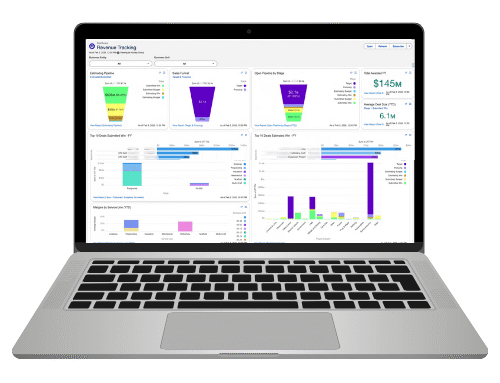
The system links to Dodge and ConstructConnect, pulls in projects based on saved searches, and uses AI to handle the early steps that usually consume most of a rep’s time. Instead of manually digging through PDFs, the platform:
- Reads the specification and identifies competitor brands.
- Suggests which of your products match the spec.
- Captures the architect, owner, general contractor, and other parties attached to the project.
- Helps teams sort which opportunities deserve attention.
For many teams, these tasks used to take ten to twenty minutes per project. Now the groundwork is complete before the team even starts the day. That time shift allows them to spend more hours communicating with specifiers and supporting partners rather than wrestling with paperwork.
SpecSuccess AI then guides users through the next steps: selecting the right products for the request, adding relevant documents, attaching a CSI-style cover sheet, and sending the request directly to the specifier or, when appropriate, to the contractor who will carry it forward.
Watch The SpecSuccess® AI Demo

Technology doesn’t replace the relationships that truly drive specification work. It simply removes friction so teams can operate at a scale that wasn’t possible before.
5. What Teams Can Expect By The Numbers
To give manufacturers a grounded sense of what success looks like, Aaron shared a view into actual performance data, with all identifying details removed.
Across a variety of manufacturers, Hunley sees the following patterns:
- A focused two-person team can routinely send 400 to 500 substitution requests each month.
- Approval rates commonly fall in the 20 to 25 percent range.
- Most non-approvals are not explicit rejections. Many simply go unanswered because design teams are pressed for time.
One manufacturer with an average sale of roughly 3,000 to 5,000 dollars per project added 300,000 to 500,000 dollars of new pipeline each month through this approach. Those opportunities would have been completely invisible without a structured substitution program.
It isn’t magic; it’s consistent work, supported by the right tools, delivered at a steady pace.
6. How This Also Improves Long-Term Specification Growth
While this webinar focused on bringing in new revenue quickly, Aaron also explained how these same programs contribute to broader specification growth over time.
Each project that enters the system shows you:
- Which architecture firms specify you often.
- Which firms rarely include you and may need a lunch-and-learn or deeper support.
- How your presence is shifting across categories and territories.
Because this all lives inside Salesforce, teams can review trends without juggling separate spreadsheets or external reports. Over months and years, this helps guide where to invest time, training, and relationship-building efforts.
Would you like to see a custom demo of SpecSuccess using your own products? Click here to get in contact with Aaron.