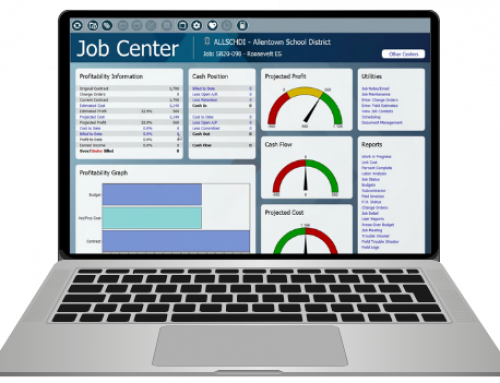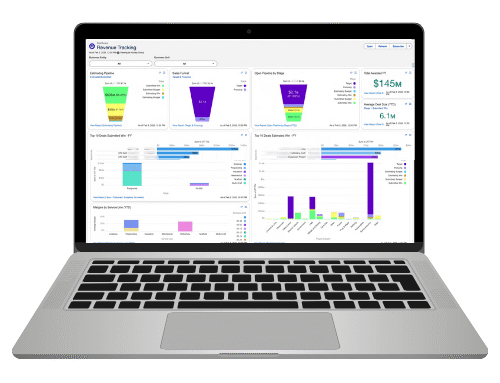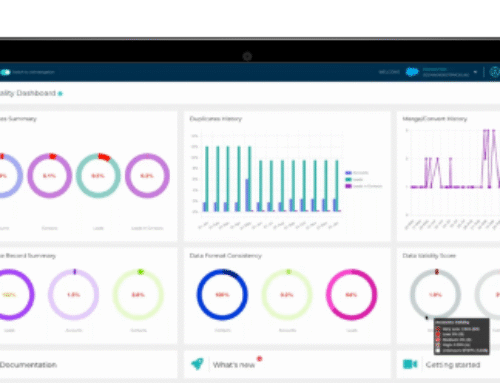
When operations works in Salesforce and finance works in Foundations, teams can end up working from different numbers.
Project teams track estimates and purchasing activity in Salesforce. Finance tracks costs and billing activity in Foundations. Without a connection between the two, people fall back on spreadsheets, extra emails, and manual checks.
We recently helped a roofing contractor connect Salesforce and Foundations using MuleSoft so teams could compare estimates to actual costs inside Salesforce and align what operations and finance see.
The challenge: two systems, two versions of the numbers
Before the integration:
- Spreadsheets were used to reconcile project and financial information
- Teams spent time double-checking whether records existed in both systems
- Reporting could differ depending on which system someone trusted more
That gap makes it harder to manage project performance and more difficult to scale delivery without adding overhead.
The goal: show finance actuals in Salesforce
This project focused on a clear outcome.
Make Salesforce useful for project teams and leadership by bringing in summary financial actuals from Foundations, so estimates and actuals can be compared without switching systems.
What we integrated
Using MuleSoft, we implemented two primary integration paths.
Salesforce to Foundations: send operational records without duplicates
We send key records from Salesforce into Foundations, including:
- Projects
- Accounts
- Contacts
- Purchase orders
Before creating anything, the integration checks whether the record already exists in Foundations.
If it exists, we match to it. If it does not, we create it.
We also included writeback so Salesforce reflects what happened in Foundations. This includes improved error visibility within Salesforce and the storage of the Foundations identifier on the Salesforce record, so both systems stay aligned.
Foundations to Salesforce: bring actual costs into the project view
We pull summary actual cost information from Foundations into Salesforce so teams can compare:
- Purchase order amounts vs. actual spend
- Budget expectations versus costs recorded by finance
This helps prevent the common situation where finance reports one number and operations reports another.
Why it matters
Connecting Foundations and Salesforce is not just about moving records.
It gives project teams and finance a shared reference point for cost performance, supports cleaner reporting, and reduces manual reconciliation work.
For companies managing complex projects, that alignment builds confidence in reporting and supports growth without adding unnecessary administrative work.